
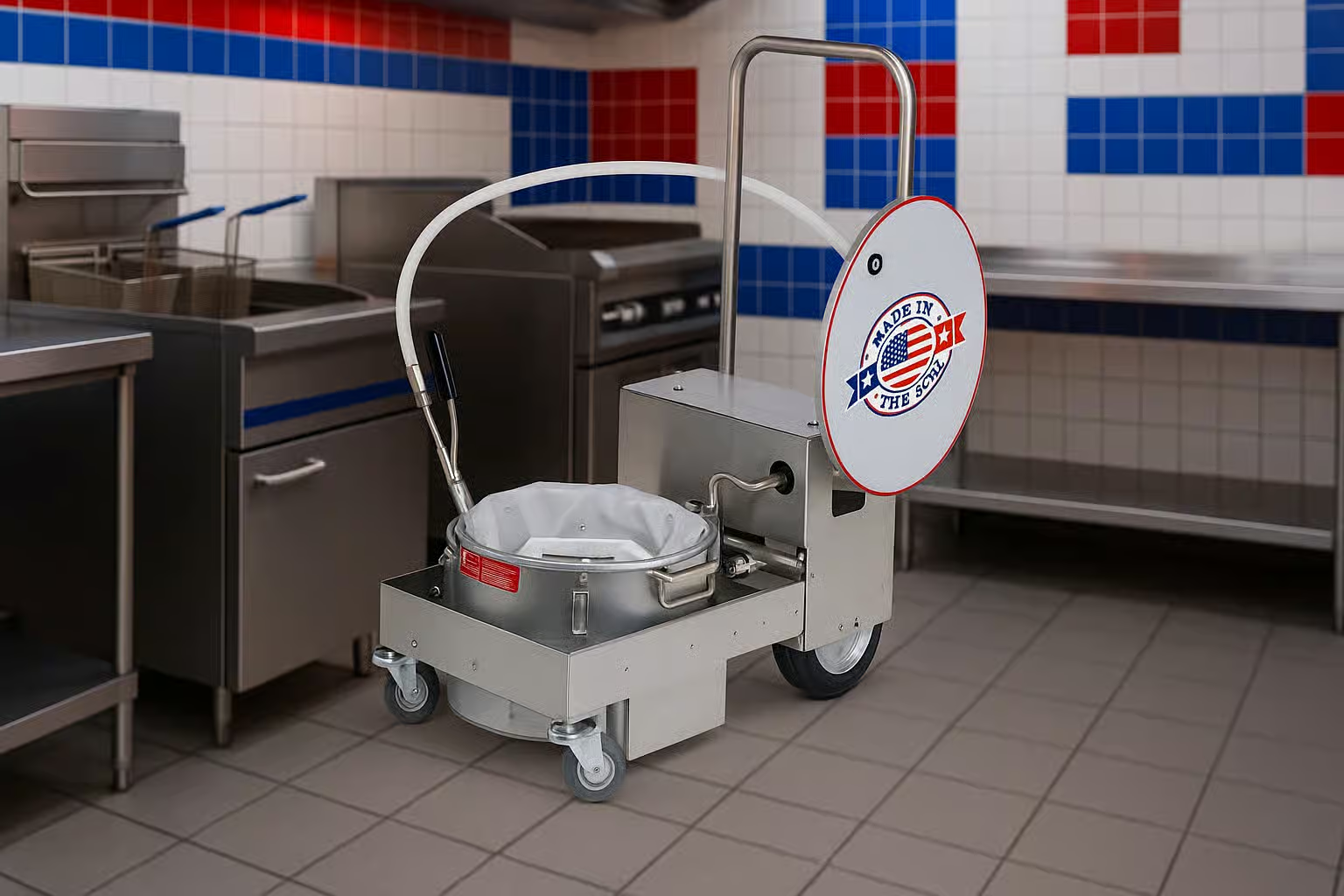
Restaurant oil filtration equipment is an essential component for any establishment that uses deep fryers in its kitchen operations. For restaurant owners, understanding the importance and benefits of proper oil filtration can significantly impact both the quality of food served and overall operational efficiency.
Firstly, maintaining oil quality is crucial for ensuring the taste and texture of fried foods. Over time, cooking oils degrade due to high temperatures, exposure to air, and food particles left behind during frying. This degradation not only affects the flavor but also diminishes the nutritional value of the food. By investing in effective oil filtration equipment, restaurant owners can extend the life of their cooking oil by removing impurities and particulates that cause it to break down prematurely. This results in consistently better-tasting dishes while also promoting a healthier dining experience.
From a financial perspective, regularly filtered oil means fewer replacements are needed over time. The cost savings from reduced oil consumption can be substantial, especially for high-volume restaurants where deep-fried items are a staple on the menu. While there is an upfront investment associated with purchasing restaurant oil filtration equipment or systems, these costs are often offset by longer intervals between necessary oil changes and less frequent purchases of fresh cooking oil.
In addition to cost savings on ingredients, efficient use of cooking oils contributes to environmental sustainability efforts—a growing concern among consumers who prefer businesses that adopt eco-friendly practices. By minimizing waste through extended use cycles facilitated by filtration systems, restaurants demonstrate responsibility towards reducing their carbon footprint.
Moreover, incorporating advanced technology into kitchen operations enhances employee safety as well as productivity levels within busy environments like commercial kitchens where timing is critical during peak service hours—oil-changing processes become streamlined when using automated or semi-automated filtering machines rather than manual methods which involve handling hot liquids directly; thus mitigating risk factors associated with burns or spills occurring unexpectedly amidst hectic work conditions.
Restaurant owners should consider various types available based upon specific needs: portable units provide flexibility across multiple fryer stations whereas built-in models offer convenience without occupying additional floor space; furthermore evaluating features such as ease-of-use (e.g., user-friendly controls), maintenance requirements (e.g.